

EEG Test for Kids in Dubai – Safe Brain Activity Testing for Children
At Pediatric Pearls in Dubai, we provide advanced and child-friendly EEG (electroencephalogram) testing to understand your child’s brain activity and support accurate diagnosis of neurological conditions, trusted by families across Dubai and patients worldwide.
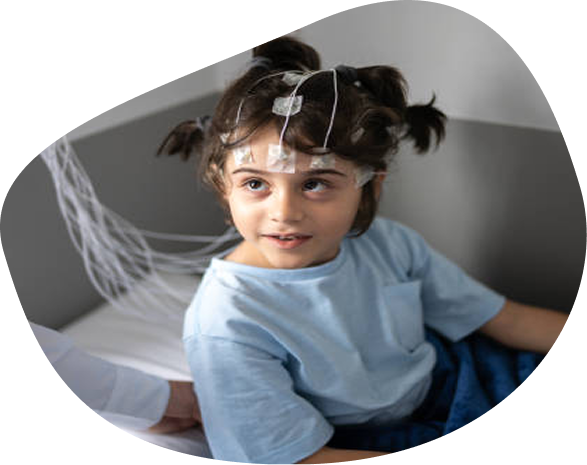
What Is an EEG (Electroencephalogram)?
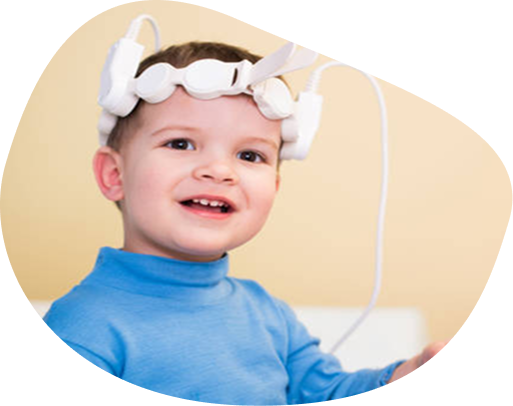
An EEG (electroencephalogram) is a safe, painless, and non-invasive brain activity test for children. It records electrical signals produced by brain cells using small sensors placed on the scalp.
Unlike MRI or CT scans that show brain structure, an EEG focuses on how the brain functions in real time, making it highly effective for detecting neurological irregularities. This test is widely recommended by pediatric neurologists in Dubai for children experiencing seizures, unusual behavior, or developmental concerns.
Why Is an EEG Test Recommended for Children?
Doctors recommend an EEG test for kids in Dubai when there are signs of abnormal brain activity.
Common Conditions TreatedCommon Conditions Treated
- Repeated staring spells or unresponsiveness
- Sudden jerking movements or suspected seizures
- Fainting or confusion episodes
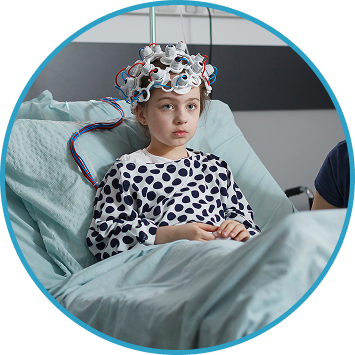
- Developmental delays linked to neurological issues
- Sleep disturbances with possible brain involvement
- Sudden behavioural or attention changes
For conditions like seizures, you can also explore our Epilepsy Treatment in Dubai
Why Is an EEG Test Recommended for Children?
Doctors recommend an EEG test for kids in Dubai when there are signs of abnormal brain activity.
Common Conditions TreatedCommon Conditions Treated
- Repeated staring spells or unresponsiveness
- Sudden jerking movements or suspected seizures
- Fainting or confusion episodes
- Developmental delays linked to neurological issues
- Sleep disturbances with possible brain involvement
- Sudden behavioural or attention changes
For conditions like seizures, you can also explore our Epilepsy Treatment in Dubai
Types of EEG Tests
Different EEG methods may be used depending on the child’s symptoms and the doctor’s clinical suspicion
Routine EEG
A short test done while the child is awake or resting quietly. It is commonly used as an initial evaluation tool.
Prolonged EEG monitoring
Extended recording over several hours or days to capture intermittent or rare episodes.
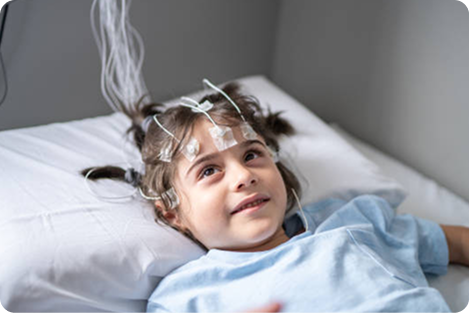
Video EEG monitoring
Combines continuous EEG recording with video observation to match physical events with brain activity patterns.
Sleep EEG
Performed while the child is asleep or drowsy. This is often more sensitive in detecting abnormal brain activity in children.
Each type provides different levels of detail and is selected based on the child’s symptoms.
What Conditions Can an EEG Detect?
Symptoms may be noticed early in childhood or may develop over time.
Epilepsy and seizure disorders
Absence seizures
(often mistaken for
daydreaming)
Nocturnal (sleep-related) seizures
Developmental delays with
neurological causes
Unexplained loss of awareness
Brain activity affecting learning
and behaviour
Electroencephalogram Procedure
The electroencephalogram procedure is simple, painless, and completely safe for children, including infants. During the procedure
How to Prepare Your Child for an EEG Test
Proper preparation helps ensure clear and accurate results from the electroencephalogram scan, especially in children. Parents are usually advised to:

Wash hair (no oil, gel, or sprays)

Follow sleep instructions if advised

Continue medications only if prescribed

Bring comfort items for younger children
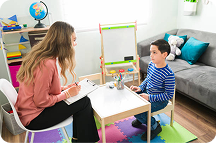
Explain the test simply to reduce anxiety
At Pediatric Pearls, we use advanced diagnostic techniques to identify the root cause and tailor treatment accordingly.
Understanding EEG Results
EEG results are carefully analyzed by a neurologist along with the child’s medical history and symptoms. Findings may include:
Normal brain wave patterns appropriate for the child’s age
Localized abnormal activity in specific regions of the brain
Generalized irregular electrical activity affecting broader brain areas
Subtle or non-specific changes that may require further testing or monitoring
Early care makes a significant difference in a child’s development journey.
Is EEG Safe for Children?
An EEG is one of the safest diagnostic tests available in pediatric neurology. It does not involve radiation exposure or invasive procedures, and it does not send electricity into the brain.
The test is widely used for infants, children, and adolescents and is well tolerated when performed in a calm and child-friendly environment. In most cases, children experience no discomfort during or after the procedure.
Why Choose Pediatric Pearls
Specialized pediatric neurology experts
Advanced EEG technology and diagnostics
Child-friendly environment to reduce anxiety
Accurate correlation of symptoms and brain activity
Trusted by families in Dubai and globally
Book Pediatric Consultation in Dubai & Worldwide
Easily book a consultation with our pediatric experts in Dubai, trusted by families across the world. Our team offers specialized pediatric care, child neurology services, and personalized treatment for every stage of your child’s development.
Dr. Ubaid Shah Consultant Paediatric Neurologist & Epileptologist Dubai
Frequently Asked Questions
An EEG scan (electroencephalogram) is a safe, non-invasive test that records the electrical activity of the brain using small electrodes placed on the scalp. It helps doctors evaluate how the brain is functioning and detect abnormal electrical patterns, especially in children with neurological symptoms.
An electroencephalogram is used to assess brain activity and help diagnose neurological conditions such as epilepsy, seizure disorders, unexplained staring spells, sleep disturbances, and developmental or behavioral concerns in children. It provides important information about brain function that supports accurate diagnosis and treatment planning.
To prepare for an EEG test for kids, parents are usually advised to ensure the child’s hair is clean and free from oils, sprays, or gels so that electrodes can adhere properly. Depending on the type of EEG, the child may need to be well-rested or follow sleep deprivation instructions. Any regular medication should only be continued as directed by the doctor.
An EEG for a child typically takes between 20 to 60 minutes for a routine recording. However, the duration may be longer if extended monitoring, sleep EEG, or video EEG is required. The exact timing depends on the child’s symptoms and the type of electroencephalogram scan recommended by the doctor.
The EEG test for kids price varies depending on the type of electroencephalogram required, such as routine EEG, sleep EEG, or prolonged monitoring. Costs may differ based on clinical needs and equipment used, so it is recommended to contact Pediatric Pearls directly for accurate and updated pricing information.
